

Published July 2, 2026
How Property Taxes Work in Iowa: What Every Des Moines Homeowner and Buyer Needs to Know

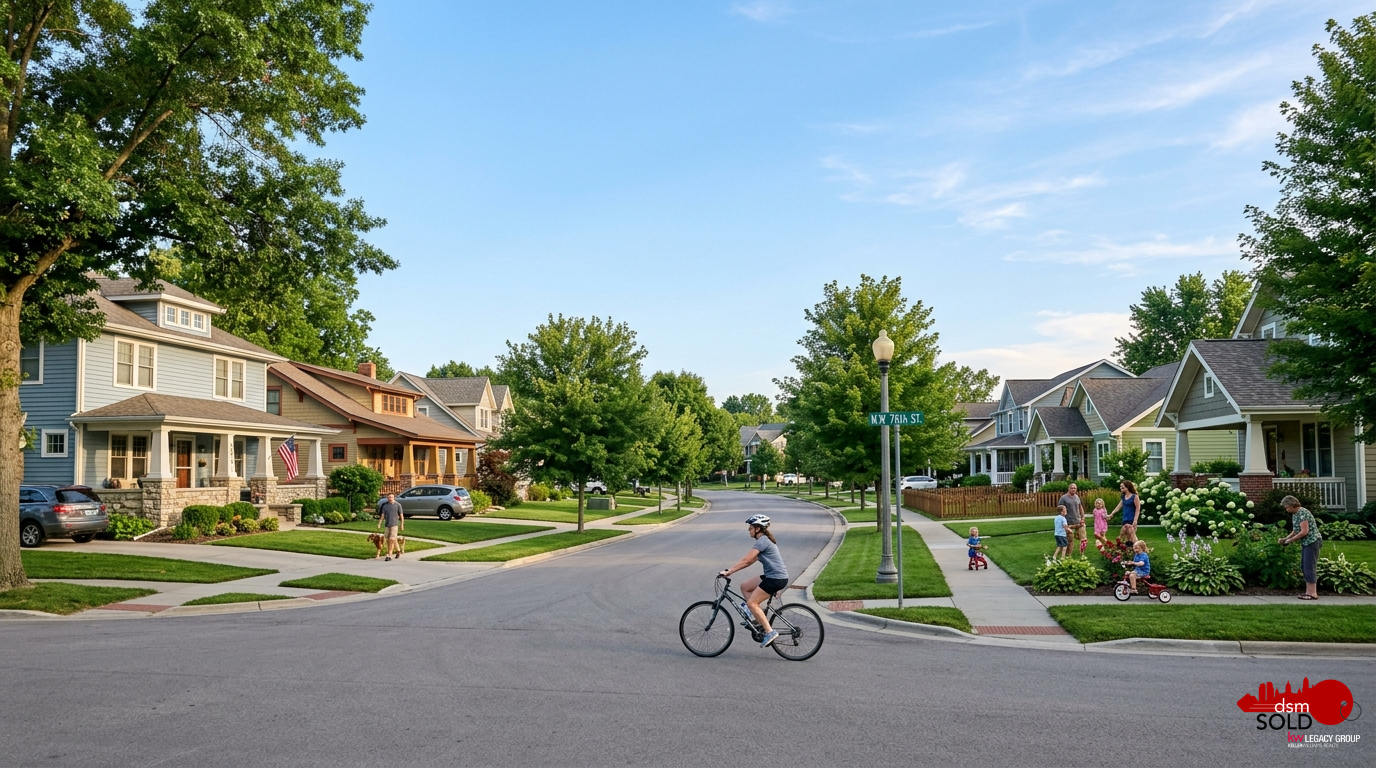
If you're buying a home in the Des Moines area — or you already own one — Iowa's property tax system is one of those things that can catch you completely off guard.
Unlike most states, Iowa has its own unique way of calculating what you owe each year. There are assessed values, rollback rates, biennial reassessments, and a filing calendar that doesn't always match what buyers expect at the closing table.
This guide breaks it all down in plain language. No confusing government jargon. Just a clear, honest look at how property taxes work in Iowa — and what it means for your wallet.
Why Iowa Property Taxes Are Different
Most people move to Iowa expecting property taxes to work the way they did in their last state. They don't.
Iowa uses a two-step system that separates your property's assessed value from the taxable value. That gap is created by something called the rollback rate — and it changes every year.
Here's the short version: just because your home is assessed at a certain amount doesn't mean that's the number your taxes are based on. The state steps in and applies a rollback percentage that effectively reduces the taxable portion of your home's value.
This system was created to help keep tax bills from skyrocketing as property values rise. In theory, it's a form of built-in protection for homeowners. In practice, it can be confusing — especially if no one explains it to you upfront.
How Iowa Property Taxes Are Calculated
Let's walk through how your annual property tax bill is actually determined.
Step 1: Your Home Gets Assessed
Every property in Iowa is assigned an assessed value by your local county assessor. This is meant to reflect 100% of your home's market value.
In Polk County (which includes Des Moines, West Des Moines, Urbandale, Johnston, and Ankeny), assessments happen on odd-numbered years — 2023, 2025, 2027, and so on. This is called a biennial reassessment cycle.
Pro tip: Your assessed value isn't always the same as what your home would sell for today. Market conditions change faster than assessment cycles do.
Step 2: The Rollback Rate Is Applied
Once your assessed value is set, the State of Iowa applies a rollback rate — a percentage that caps how much of your assessed value is actually taxable.
For 2024, Iowa's residential rollback rate is approximately 46.9%. That means if your home is assessed at $300,000, only about $140,700 of that is considered your taxable value.
The rollback rate is adjusted each year by the state and varies by property class (residential, agricultural, commercial, etc.). It's one of the most misunderstood parts of Iowa's property tax system.
Step 3: Your Local Levy Rate Is Applied
Your taxable value is then multiplied by a levy rate set by your local taxing authorities — your city, county, school district, and other entities like community colleges and emergency services.
Levy rates are expressed per $1,000 of taxable value. Every jurisdiction has its own rate, which is why two homes with identical assessed values can have very different tax bills depending on where they're located.
Property Taxes in Polk County and Surrounding Areas
If you're buying a home in Central Iowa, it helps to understand that property tax rates vary meaningfully from one city to the next — even within the same county.
Here's a general sense of what buyers see across the Des Moines metro:
- Des Moines: Typically higher levy rates due to city services and urban infrastructure
- West Des Moines: Moderate rates with strong school district funding
- Ankeny: One of the fastest-growing cities in Iowa — rates can shift as new infrastructure is funded
- Johnston: Known for top-rated schools, which are reflected in the levy
- Urbandale: Stable rates in a mature suburban market
- Dallas County (Waukee, Clive): Growing fast — verify rates carefully as new development impacts levies
When you're comparing homes in different cities, don't just look at the listing price. Factor in the estimated annual tax bill — it can make a real difference in your monthly payment.
At The dsmSOLD Team, we always walk our buyers through a side-by-side tax comparison before they fall in love with a neighborhood. It's the kind of local knowledge that saves you from surprises later.
What to Expect with Property Taxes at Closing
One of the most common questions we hear from buyers is: "Do I pay property taxes at closing?"
In Iowa, property taxes are paid in arrears — meaning you pay for the previous year, not the current one. Taxes are due in two installments:
- First half: Due September 1 (delinquent after September 30)
- Second half: Due March 1 (delinquent after March 31)
At closing, you'll typically see a property tax proration on your settlement statement. The seller credits the buyer for the taxes that have accrued but haven't been paid yet for the period they owned the home.
This sounds simple, but the math can get tricky — especially if you're closing mid-year or in a month that doesn't line up neatly with the payment schedule.
Your dsmSOLD agent will review the proration with you before you sign anything so you understand exactly what you're receiving (or paying) and why.
Iowa Property Tax Exemptions Worth Knowing
Iowa offers several exemptions that can reduce your taxable value — and lower your annual bill. Here are the most common ones for homeowners:
Homestead Tax Credit
If you own your home and live in it as your primary residence, you may qualify for Iowa's Homestead Tax Credit. This reduces the taxable value of your home by a fixed dollar amount.
You must apply through your county assessor's office by July 1 of the year you're claiming the credit. New buyers: don't forget to file this after closing.
Military Service Tax Exemption
Iowa veterans may qualify for a property tax exemption that reduces assessed value. The amount depends on the type and length of service. Applications are also filed through the county assessor.
Elderly and Disabled Credits
Iowa homeowners who are 65 or older, or who have a disability, may qualify for additional credits and tax freezes that limit how much their bill can increase year over year.
How to Appeal Your Iowa Property Tax Assessment
Think your home's assessed value is too high? You have the right to appeal — and it's more common than you might think.
When Can You Appeal?
In Iowa, assessment notices go out in April of odd-numbered years. You have a short window — typically until April 30 — to file a protest with your local Board of Review.
What You'll Need
A successful appeal usually comes down to comparable sales. If homes similar to yours have sold for less than your assessed value suggests, that's your best argument.
Gather:
- Recent sales of comparable homes in your neighborhood
- Any independent appraisal of your property
- Evidence of issues that affect value (foundation problems, outdated systems, deferred maintenance)
- Documentation of errors in the assessor's property record
Is It Worth Appealing?
It depends on the gap. If your assessment seems even modestly out of line, it's worth looking into — especially because a lower assessed value carries forward and compounds savings over time.
If you're unsure where to start, reach out to us. We analyze property data every day and can quickly help you evaluate whether an appeal makes sense for your situation. Call or text us at (515) 442-0625 or email ryan@dsmsold.com.
What New Iowa Homebuyers Should Do Right After Closing
Once you have the keys, here's a quick checklist to make sure you're set up correctly on property taxes:
- File for the Homestead Tax Credit with your county assessor before July 1
- Ask your lender whether your mortgage includes an escrow account for property taxes (most do)
- Review your first tax statement when it arrives and compare it to what was projected at closing
- Watch for your assessment notice in the spring following your purchase year
- Check for any applicable exemptions based on military service, age, or disability
Setting a calendar reminder for these deadlines in the first year of homeownership can save you real money.
Ryan Rohlf, Realtor | dsmSOLD Team at Keller Williams Legacy Group | Licensed in IA
Let us be the KEY to your home needs! | (515) 442-0625 | ryan@dsmsold.com

Ryan Rohlf
Chief Client Advocate | REALTOR® | The dsm SOLD Team at Keller Williams Legacy | Keller Williams Legacy Group Midwest
or another way