

Published November 2, 2022
It's Time To Fall Back

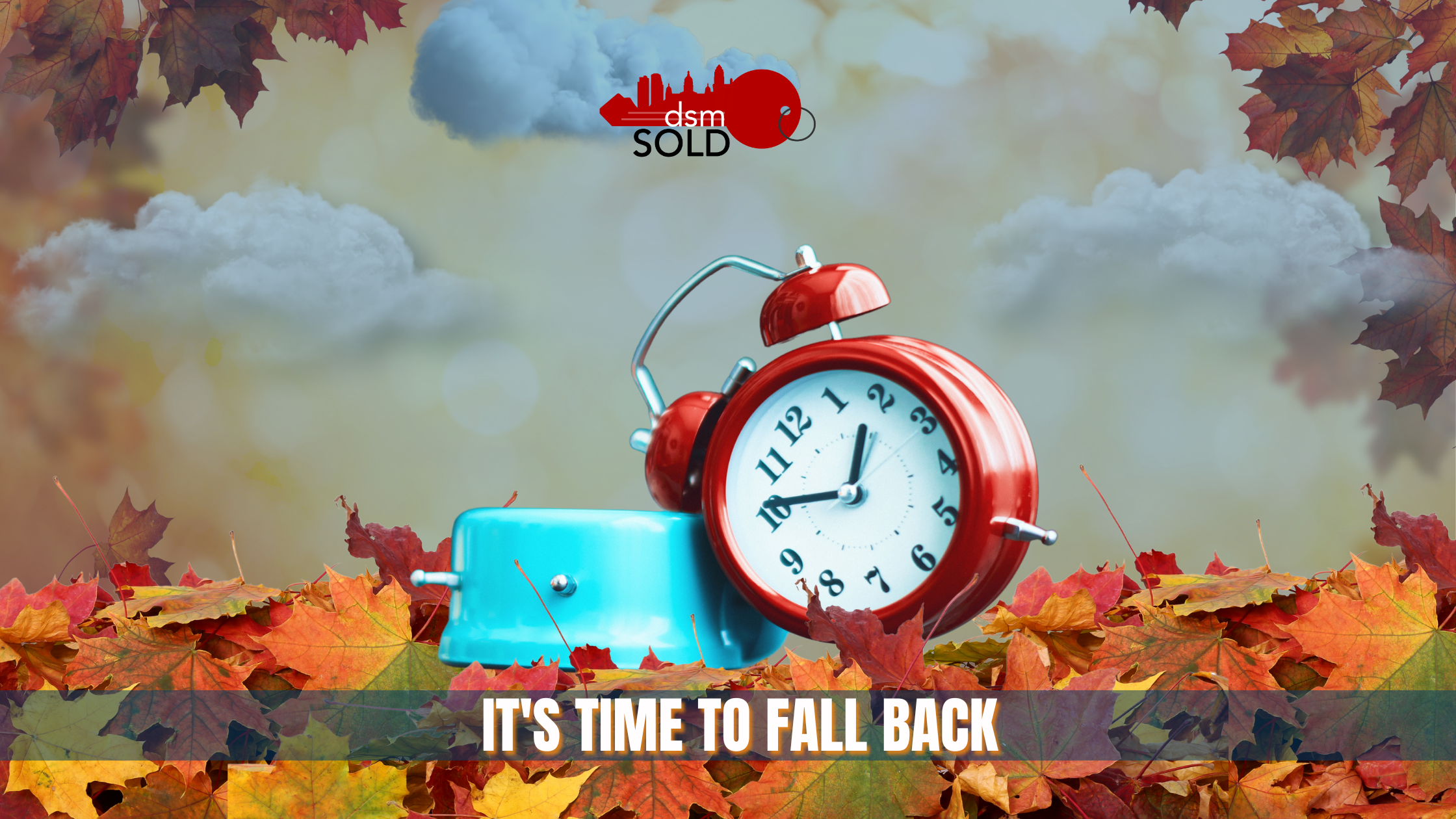
Set your clocks back Saturday evening! At 2:00 A.M. on Sunday, November 6, 2022, Daylight Saving Time expires. We "fall back" one hour at this time! Learn more about the origins of "saving daylight" and why we still observe DST today. Plus, let us know what you think!
It's almost time to "fall back" and change your clocks for daylight saving time 2022, but when exactly will the clocks change and what's happening with the push to end the practice entirely?
When Is Daylight Saving Time This Year? When Does the Time Change?
Always starting on the second Sunday in March and ending on the first Sunday in November is daylight saving time. People frequently use the phrase "spring forward, fall back" to remember which direction to adjust their clocks.
- Daylight Saving Time begins on Sunday, March 13, 2022 at 2:00 A.M. On Saturday night, clocks are set forward one hour (i.e., losing one hour) to “spring forward.”
- Daylight Saving Time ends on Sunday, November 6, 2022, at 2:00 A.M. On Saturday night, clocks are set back one hour (i.e., gaining one hour) to “fall back.”
What Is the Origin of Daylight Saving Time and Why Do We Change the Clocks?
Some prefer to credit Benjamin Franklin with creating daylight savings time when he wrote in a 1784 essay about conserving candles and said, "Early to bed, early to wake makes a man well, wealthy, and clever," but that was more of a satirical statement than a serious argument.
In order to save fuel, Germany was the first country to implement daylight saving time on May 1, 1916, during World War I. Europe as a whole quickly followed.
On March 19, 1918, the United States finally implemented Daylight Saving Time. It was disliked and eliminated following World War I.
Franklin Roosevelt implemented what he called "war time" year-round daylight saving time on February 9, 1942, and it lasted until September 30, 1945.
The Uniform Time Act of 1966, which imposed standard time across the nation within designated time zones, was the law that made daylight saving time mandatory in the US. It specified that the time change would take place at 2 a.m. on the final Sunday in April, at 2 a.m., set the clocks back one hour. on October's final Sunday.
States might still choose not to observe DST as long as they did so for the whole state. Congress implemented an energy-saving trial of year-round daylight saving time from January 1974 to April 1975 in the 1970s as a result of the 1973 oil embargo.
Takeaways
The main takeaway from this is that DST isn't just about "saving" daylight, although that isn't a bad thing. It's also about giving you more time in the evening. In this day and age, where time seems to be constantly slipping away from us, every extra minute counts!
We hope this piece was both interesting and informative for you. We know that the question, "Why do we observe Daylight Saving Time?" is one that's on many minds, so we decided to take a closer look. We hope you enjoyed it!
Let us know how you feel about the end of Daylight Saving Time and what you plan to do next year. We'd love to hear your story!

Ryan Rohlf
Chief Client Advocate | REALTOR® | The dsm SOLD Team at Keller Williams Legacy | Keller Williams Legacy Group Midwest
or another way